
My cholesterol is normal now. Can I stop my tablets?
22
Oct
My cholesterol is normal now. Can I stop my tablets?
A normal cholesterol report is not, by itself, a reason to stop cholesterol-lowering tablets. The result may show that treatment is working. Whether you still need it depends on why it was prescribed, your cholesterol before treatment, cardiovascular risk and side effects. Review the prescription with your clinician before changing it.
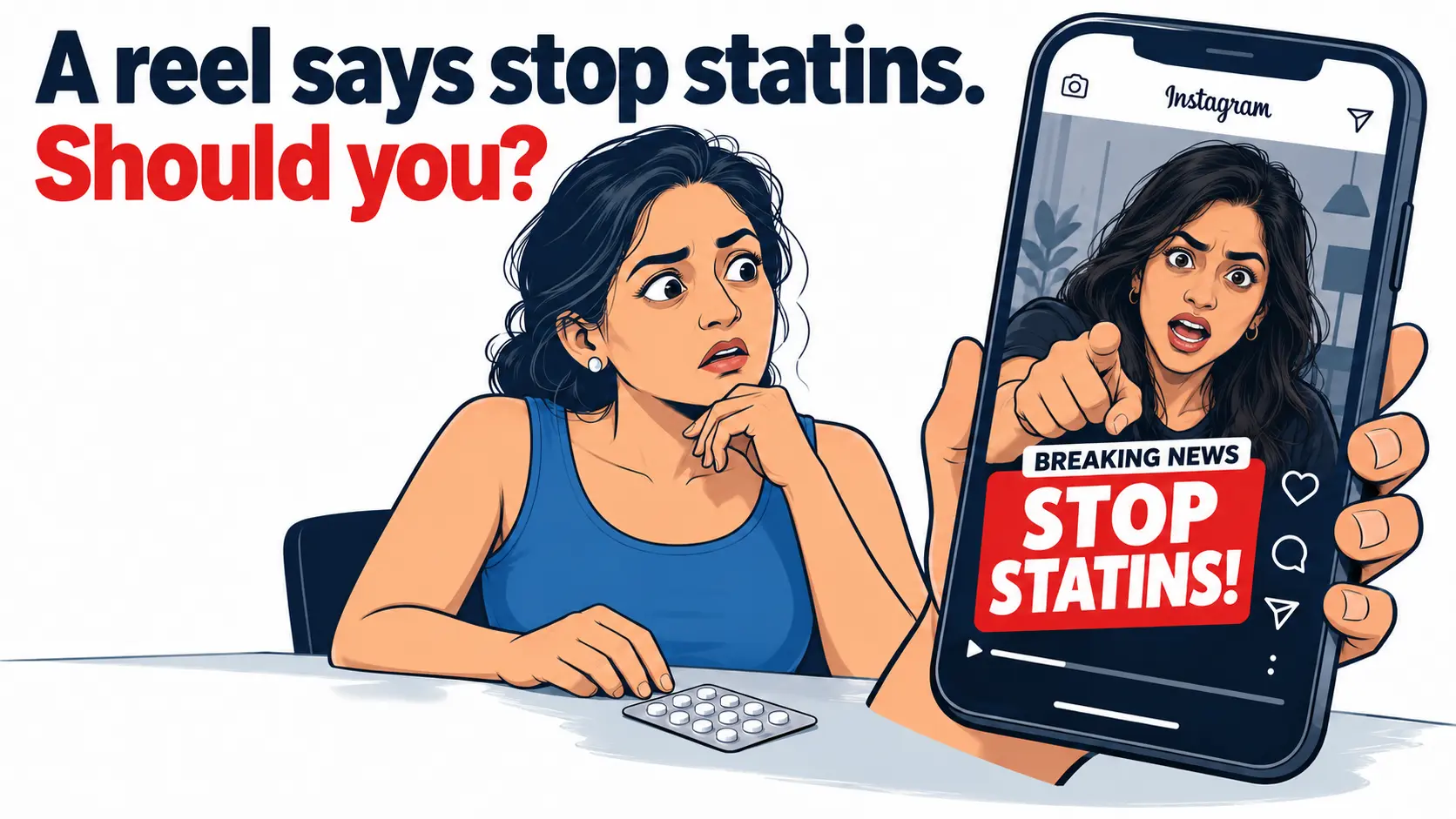
You may have seen a favourite influencer claim that statins damage the brain. Before changing your prescription, check whether the claim is supported by evidence and whether it applies to your treatment.
Does a normal report mean the problem has gone?
It may mean the medicine is controlling cholesterol, rather than that the reason for treatment has disappeared.
Statins, including atorvastatin and rosuvastatin, reduce cholesterol production in the liver and help it remove more cholesterol from the blood. They lower low-density lipoprotein cholesterol, or LDL cholesterol, which contributes to fatty deposits called plaque in artery walls. In appropriately selected patients, treatment reduces heart attacks and some types of stroke.
- The laboratory range is not your individual target. Someone with established artery disease may need a lower LDL level than the report's reference range suggests.
- Total cholesterol alone is insufficient. The LDL result, other blood fats and your health history matter.
- A blood test cannot show that blockages have gone. A normal lipid profile does not establish that arteries are clear.
“Cholesterol normal thai gayu. Have dava bandh kari dau?”
"Doctors are making a fool out of you! STOP STATINS!!!!" says your favourite non qualified influencer.
If that is your question, compare the current report with the original reason for treatment, not only the laboratory flag.
Our guide to cholesterol and cardiovascular risk explains the different numbers on a lipid profile.
Why were the tablets prescribed?
The same cholesterol result can lead to different decisions in different people.
| Your situation | What it means for reviewing treatment |
|---|---|
| Previous heart attack, coronary stent, bypass surgery, or other established atherosclerotic artery disease | Treatment usually continues long term to reduce further events. A normal report alone does not remove that need. |
| Diabetes, kidney disease or several cardiovascular risk factors, without a previous event | Treatment may be preventing a first event. Review overall risk and the original indication rather than stopping because the current number looks normal. |
| Markedly raised untreated LDL or suspected inherited high cholesterol | A good response does not remove lifelong exposure or inherited risk. Young age alone is not a reason to stop. |
| No known artery disease, lower overall risk and a modest original elevation | Reassessment may be reasonable, particularly after sustained lifestyle changes. Any reduction or withdrawal needs an agreed plan and repeat testing. |
Treatment in established atherosclerotic artery disease is called secondary prevention. Preventing a first event in someone without established disease is primary prevention. Neither decision should be made from the latest report alone.
If you have coronary artery disease, preventive medicines may still reduce your risk even when you feel well.
What happens if I stop taking a statin?
The cholesterol-lowering effect wears off, and LDL commonly rises towards its untreated level. The extent and timing vary with the medicine, underlying condition and lifestyle.
Cholesterol rising after withdrawal reflects the loss of the medicine's effect, not addiction. Food changes, activity and weight management may help, but do not always remove the need for treatment.
If stopping or reducing treatment is appropriate, agree on the replacement plan, when to repeat the lipid profile and what would prompt restarting. A normal result shortly after stopping is not proof that the long-term decision is safe.
My favourite influencer says statins damage nerves. Now what?
Claims that statins destroy neurons or routinely cause permanent brain damage are not supported by good clinical evidence. The American Heart Association's evidence review does not support the claim that statins or intensive LDL lowering cause dementia or progressive cognitive decline.
- Memory and concentration: rare reports of forgetfulness or confusion exist. These have generally been nonserious and reversible. Such reports are not evidence that statins routinely kill brain cells. New symptoms still deserve assessment.
- Peripheral nerve damage: this means damage to nerves outside the brain and spinal cord. There is no convincing evidence establishing statins as a cause. Tingling or numbness should be assessed for other causes, including diabetes or vitamin deficiencies, rather than automatically blamed on the tablet.
- “The brain needs cholesterol”: it does, but brain cholesterol is largely regulated separately from circulating cholesterol. Lowering blood LDL is not equivalent to depriving the brain of all cholesterol.
Before acting on a video, check:
- Does it cite studies in people and describe their findings accurately?
- Does it distinguish a reported symptom from a proven cause?
- Does it consider why you take the medicine, or tell everyone to stop?
Bring the link or screenshot to your review. Your clinician can check the claim and assess any symptoms you have noticed.
What side effects can happen, and can they be managed?
Many side effects can be managed by adjusting treatment. Report persistent or troublesome symptoms so your clinician can assess whether the medicine is responsible.
| Concern | What a review can do |
|---|---|
| Muscle aches, cramps or weakness | Check when symptoms began, recent exercise, other medicines and possible causes such as an underactive thyroid. Muscle-enzyme testing may be needed, especially with severe symptoms. A different statin, lower dose or alternative regimen may help. |
| Nausea, indigestion, constipation or diarrhoea | Review the timing, persistence and other possible causes. A change in preparation or medicine may improve tolerability. |
| Raised liver enzymes on a blood test | Interpret the size and pattern of the change. Mild changes do not automatically mean liver injury or require permanent discontinuation. Significant abnormalities need assessment. Serious liver injury is uncommon. |
| Higher blood sugar or new diabetes | Statins modestly increase diabetes risk, particularly in people already susceptible. For patients with a clear treatment indication, cardiovascular benefits generally outweigh this risk. Monitor glucose and review treatment with your clinician. |
Depending on the findings, your clinician may:
- Check interactions with other prescribed medicines and supplements.
- Arrange a supervised pause and rechallenge when appropriate, rather than assume permanent intolerance after one episode.
- Use a lower tolerated statin dose with another LDL-lowering medicine.
- Consider a selected less-than-daily regimen or a non-statin treatment when needed.
Some uncommon muscle conditions require specialist treatment and do not resolve simply by changing tablets. Do not use an influencer's supplement regimen to treat an unexplained symptom.
Which symptoms need prompt attention?
Seek urgent medical assessment for severe unexplained muscle pain or weakness, particularly with dark urine, reduced urine or feeling very unwell. Yellowing of the eyes or skin also needs prompt assessment. Tell the team which cholesterol medicine and other medicines you take; they will advise whether treatment should be withheld or changed.
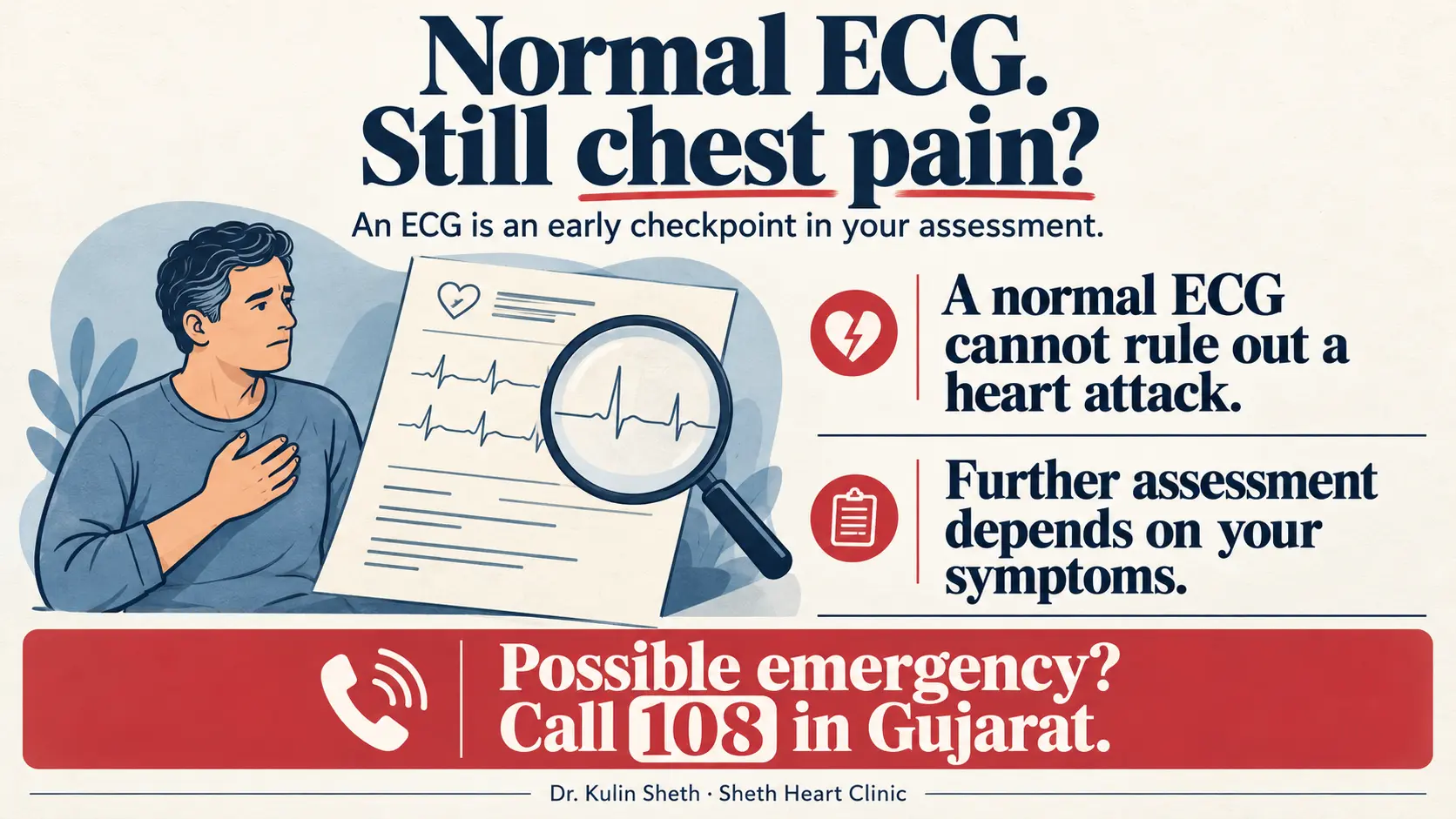
Sudden weakness on one side, difficulty speaking or new confusion may represent a neurological emergency. Do not assume it is a routine statin side effect. In Gujarat, call 108; elsewhere, call your local emergency service.
What are the alternatives to statins?
There are other ways to lower LDL. They may supplement a tolerated statin or form an alternative regimen when a statin cannot be used. The choice depends on how much further LDL lowering is needed, cardiovascular risk, safety, affordability and preferences.
| Treatment | How it works and when it may help | Limits and precautions |
|---|---|---|
| Ezetimibe | Reduces cholesterol absorption in the intestine. Often added to a statin; may be used when statins are unsuitable or not tolerated. | LDL reduction may be insufficient alone for someone needing substantial lowering. It has its own possible adverse effects and interaction considerations. |
| Bempedoic acid | An oral medicine that reduces cholesterol production through a different liver pathway. Can be used with other treatment or in selected statin-intolerant patients. The CLEAR Outcomes trial demonstrated cardiovascular benefit in a high-risk, statin-intolerant population. | Can raise uric acid and cause gout; tendon problems and liver-test changes are other precautions. It is not automatically a safer choice for every patient. |
| LDL-lowering injections, such as evolocumab or alirocumab | Help the liver clear LDL by blocking a protein that otherwise limits LDL removal. May suit selected patients needing substantial additional lowering or unable to reach goals with tolerated oral treatment. | Injection reactions, treatment burden, access and affordability matter. Suitability needs an individual assessment. |
A combination can sometimes achieve the goal with a lower statin dose. The choice should account for how well your current medicine works and whether you tolerate it.
What about eicosapentaenoic acid or fish oil?
Prescription icosapent ethyl, a purified form of eicosapentaenoic acid (EPA), has a different role from LDL-lowering alternatives.
- It can reduce cardiovascular events in selected higher-risk patients with persistently raised triglycerides despite statin treatment.
- It is not a general substitute for statins, ezetimibe or bempedoic acid when LDL lowering is needed.
- Ordinary fish-oil supplements are not interchangeable with the prescription formulation studied in outcome trials.
- Increased risk of atrial fibrillation, an irregular heart rhythm, and bleeding must be considered, particularly with relevant history or medicines.
Whether you need an LDL-lowering medicine, a triglyceride-directed treatment or both depends on the full lipid profile and your risk.
Can diet, exercise or weight loss allow fewer tablets?
Sometimes they can change the prescription, but an improved lifestyle does not automatically remove the original indication.
Sustainable food changes, regular activity, avoiding tobacco and weight management remain important whether or not you take tablets. A vegetarian Gujarati diet can still contain substantial saturated fat or excess energy, depending on the foods and quantities eaten.
If the original risk was lower and the indication uncertain, reassessment may support a different plan. After a heart attack, with inherited high LDL or with other major risk factors, lifestyle measures usually work alongside medicines.
For people with diabetes, the decision also considers kidney health and cardiovascular risk, not only sugar control. See diabetes and heart disease.
What should I bring to a cholesterol-medicine review?
- Your earliest available lipid profile, especially before treatment, and the latest result.
- All prescriptions, supplement names and actual doses taken.
- Details of symptoms: when they began, any dose change and whether they interrupt daily life.
- Records of heart or vascular disease, diabetes, kidney problems and early heart disease in the family.
- The specific online claim that has worried you.
A repeat lipid profile is commonly checked 4–12 weeks after starting or adjusting treatment, then at intervals based on stability and risk. Liver or muscle tests depend on the medicine, symptoms and clinical findings. Agree on your LDL goal and the date of your next review.
Frequently asked questions
My LDL is very low. Is that dangerous?
A low LDL achieved with appropriate treatment is not automatically harmful. Evidence supports intensive lowering in suitable higher-risk patients, without establishing that it causes dementia. Review the actual result, indication and tolerability rather than reduce treatment solely because the laboratory flags it as low.
Can I take my statin on alternate days?
Selected less-than-daily regimens can help some people who cannot tolerate daily treatment. They are not interchangeable with every daily prescription. Agree on the medicine, schedule, required LDL reduction and follow-up with your clinician.
Does a normal report mean my blockages have disappeared?
No. A lipid profile measures blood fats, not artery narrowing. Treatment may reduce future events even when no further scan or procedure is needed. Do not use the cholesterol result to decide that other heart medicines can stop.
What if I am planning pregnancy or become pregnant?
Contact your prescribing clinician promptly. Most lipid-lowering treatments are deferred during conception planning, pregnancy and breastfeeding, but exceptional very-high-risk situations need specialist decisions. Do not assume another cholesterol medicine or supplement is a safe replacement.
Review your cholesterol treatment with Dr. Kulin Sheth
Before changing treatment, you should understand why it was prescribed, what target it is achieving and what can be done about any side effects.
You can discuss your results, side effects or concerns about online advice at a consultation with Dr. Kulin Sheth. For a non-emergency second opinion about continuing, reducing or changing cholesterol treatment, Dr. Kulin personally reviews existing reports and records before deciding whether further assessment is needed.
Sheth Heart Clinic: 818, 8th Floor, Anam 2, Beside Vakil Sahib Bridge, Next to Amrapali Axiom, Bopal Ambli T Junction, Ahmedabad 380058.
Call: +91 97255 51563
WhatsApp: +91 97255 51563
Clinical guidance and references
- Cardiological Society of India: Clinical practice guidelines for dyslipidemia management, executive summary
- American Heart Association and American College of Cardiology: 2026 guideline on the management of dyslipidemia
- American Heart Association: Statin safety and associated adverse events
- American Heart Association: LDL lowering, cognition and brain health
- NICE: Cardiovascular risk assessment and lipid modification, including management of statin side effects
- CLEAR Outcomes: Bempedoic acid and cardiovascular outcomes in statin-intolerant patients
- REDUCE-IT: Cardiovascular risk reduction with icosapent ethyl
Google Reviews
Read what our patients say about us
Book a Consultation
Reach Dr. Kulin Sheth's team directly by phone or WhatsApp, or visit us at Sheth Heart Clinic, Bopal.